Understanding research
From Discovery to Published Research
How a scientific question becomes an experiment, a paper and part of a wider body of evidence.
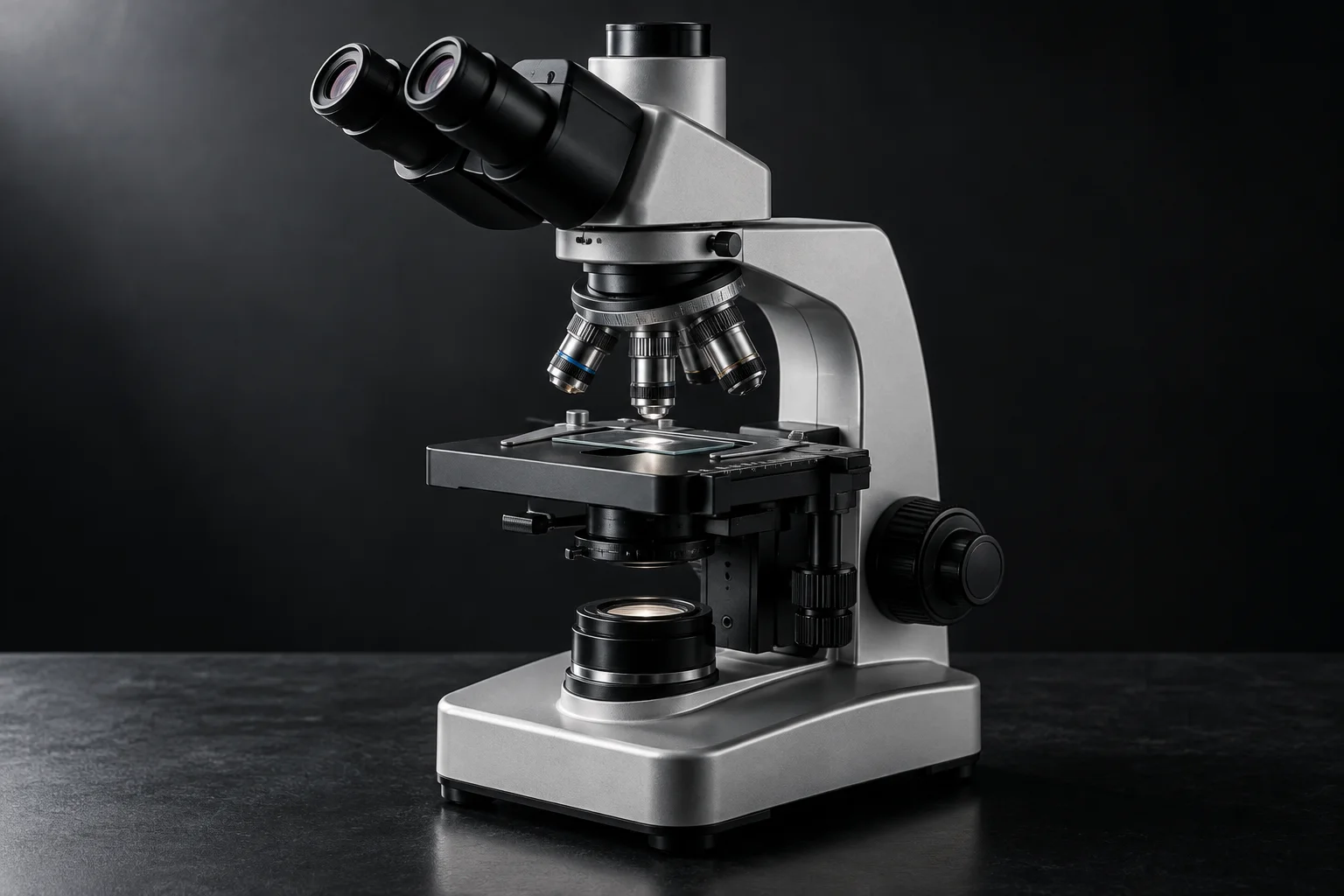
Start with a question
Scientific work often starts with an observation and a focused question. Researchers examine earlier work, identify what is uncertain and propose an explanation that can be tested. A useful question is specific enough that the evidence could challenge the initial idea.
Design a fair comparison
The next task is to choose a method that addresses the question. Controls provide a reference for comparison. Clear procedures, suitable measurements and steps to reduce bias help make the result interpretable. A well-described method also allows other researchers to understand what was done.
Separate results from interpretation
Results describe observations; interpretation explains what researchers think those observations mean. Those are different steps. A study may support a narrow conclusion while leaving broader questions unanswered. Unexpected or negative findings can also help refine a research question.
What publication adds
Authors prepare a manuscript describing their question, methods, findings and limitations. In peer review, other specialists assess the work and may request revisions. A preprint is shared before formal journal peer review. Publication makes research available for scrutiny, but it is not a guarantee that every conclusion is correct.
The work continues
Confidence develops as findings are examined and tested further. Reproducibility can mean obtaining consistent computational results using the same data and analysis; replication involves new data addressing the same question. Usage varies across fields, so check how a paper defines these terms. Independent work can strengthen, qualify or challenge an earlier finding.
A useful reading habit
For any new paper, write down three things: the question asked, the finding reported and the main uncertainty that remains. This keeps the size of a conclusion in proportion to the evidence. See our guide to reading a scientific study for a practical reading checklist.
Sources and further reading
- NIH: Explaining How Research Works
- NIH: Rigor and Transparency
- National Academies: Reproducibility and Replicability in Science
General science education. This article does not provide instructions for preparation, administration or personal use.